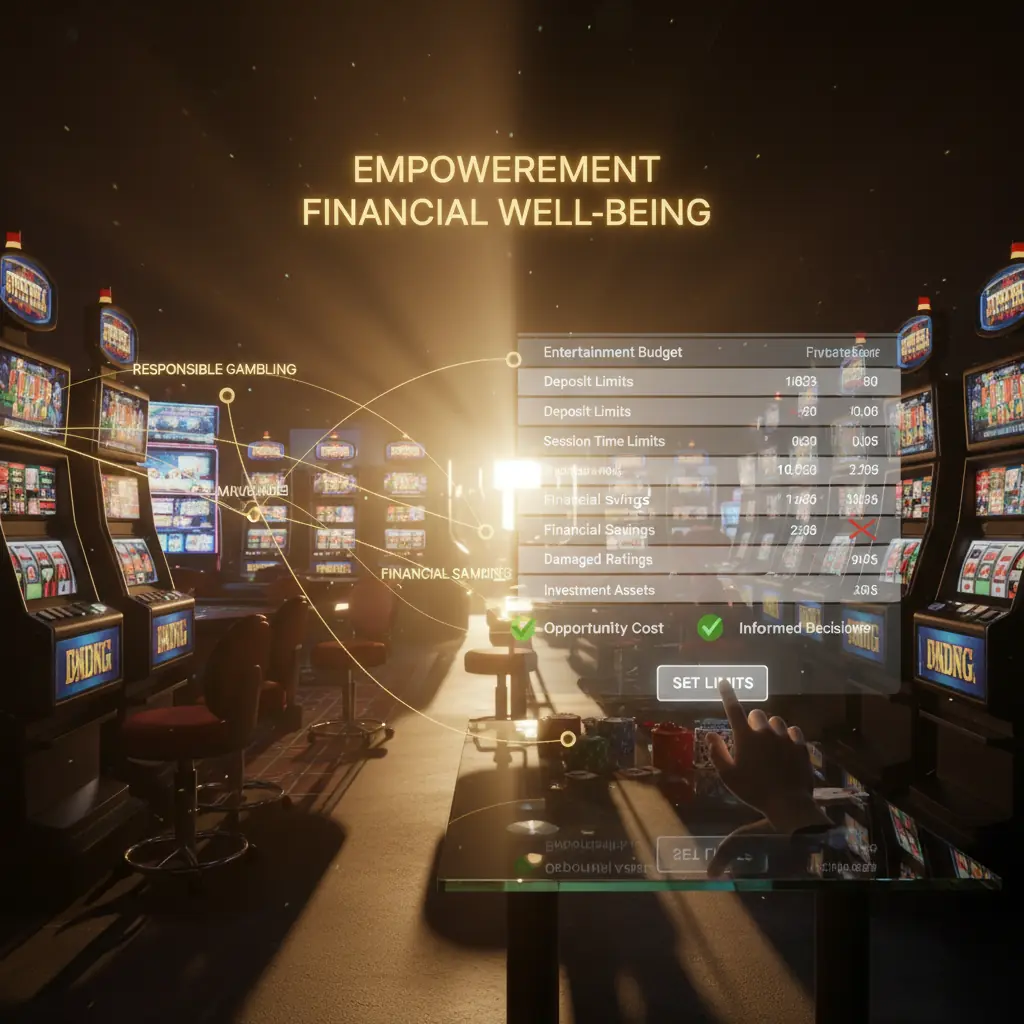
The flashing lights of a casino or the quick thrill of an online bet often feel worlds away from sensible budgeting and long-term financial planning. Gambling, for many, seems like the antithesis of responsible money management. Yet, surprisingly, these two seemingly disparate concepts – responsible gambling and financial savings – are more intertwined than one might think.
Discovering this connection wasn’t some grand epiphany, but rather a gradual realization. Observing friends chase losses or hearing stories of impulsive bets gone wrong highlighted a crucial truth: uncontrolled gambling can decimate finances. Conversely, a disciplined approach to gambling, focused on setting limits and understanding the odds, can actually mirror and reinforce sound financial habits.
Responsible gambling isn’t about deprivation; it’s about empowerment. It’s a proactive strategy that not only protects against potential gambling-related harm but also cultivates essential skills for managing money wisely. By embracing responsible gambling, individuals may develop a framework for financial well-being that extends far beyond the casino floor.
Understanding the True Cost of Uncontrolled Gambling
Problem gambling extends far beyond the momentary thrill of a win or the sting of an initial loss. It’s a dangerous game with potentially devastating financial consequences that can ripple through every aspect of your life. The allure of quick riches can quickly turn into a nightmare of escalating debt, vanished savings, and a seriously damaged credit rating.
The statistics paint a grim picture. Individuals struggling with problem gambling often find themselves buried under mounting debt. What starts as recreational spending can morph into borrowing money to cover losses, taking out loans, or even resorting to desperate measures. This debt accrues interest, further compounding the financial burden. Savings accounts are drained, retirement funds jeopardized, and the dream of financial security slowly fades away. The impact on your credit score can be severe, making it difficult to secure loans, rent an apartment, or even obtain favorable insurance rates. The stress and anxiety associated with these financial pressures can also take a significant toll on mental and physical health, creating a vicious cycle.
Consider the story of someone who initially enjoyed casual betting on sports. Over time, losses began to mount. Driven by the desire to recoup those losses, they started betting larger amounts, eventually borrowing money from friends and family. The situation spirals out of control, leading to job loss, strained relationships, and ultimately, bankruptcy. This scenario, while fictional, reflects the harsh reality for many individuals caught in the throes of uncontrolled gambling. Seemingly small losses accumulate over time, creating a financial avalanche that is difficult, if not impossible, to escape. The psychological factors at play, such as the belief that a win is just around the corner, only serve to deepen the hole.
The Slippery Slope of Chasing Losses
Chasing losses is a treacherous trap fueled by cognitive biases and emotional impulses. Loss aversion, the tendency to feel the pain of a loss more strongly than the pleasure of an equivalent gain, drives many to desperately try to recoup their money. The gambler’s fallacy, the mistaken belief that past events influence future outcomes in random events, can lead individuals to believe that a win is inevitable after a series of losses. This dangerous combination of psychological factors can lead to increasingly reckless behavior and greater financial ruin.
Recognizing the urge to chase losses is the first step to breaking free. It is crucial to acknowledge that gambling outcomes are random and that past losses do not guarantee future wins. Setting strict limits on spending, both in terms of time and money, is essential. If you find yourself exceeding those limits or experiencing an overwhelming urge to gamble, it’s time to step away and seek help. Remember, walking away from a losing streak is not a sign of weakness but a demonstration of strength and self-control.
Hidden Costs: Beyond the Obvious Losses
The financial devastation of problem gambling extends beyond the immediate losses incurred at the casino or online betting platform. There are numerous hidden costs that can significantly impact long-term financial well-being. Gambling debts often come with high-interest rates, turning relatively small debts into substantial financial burdens. These high rates can drain your resources and make it incredibly difficult to pay down the principal, perpetuating the cycle of debt.
Furthermore, consider the opportunity cost. Money spent on gambling could be invested in assets that appreciate over time, such as stocks, bonds, or real estate. Missed investment opportunities can significantly impact your long-term wealth. A failed business venture due to lack of funds because of gambling, or a delayed home purchase, are tangible examples of how gambling can derail your financial future. The impact can also extend to other areas of your life. For instance, gambling debts can negatively impact your ability to qualify for life insurance or secure a mortgage, adding further financial strain and uncertainty.

Responsible Gambling: A Financial Strategy
Responsible gambling should be viewed not as a restriction, but as an intentional aspect of a comprehensive financial strategy. By setting limits and adhering to them, individuals can integrate gambling into their lives in a way that aligns with sound financial planning principles. Gambling should be considered an expense, similar to entertainment or dining out, rather than a potential source of income. In the long run, the odds are always in favor of the house, making consistent wins an unlikely scenario. Embracing this understanding is the first step towards responsible and sustainable gambling habits.
Treating Gambling as an Expense
Integrating gambling into a personal finance plan requires treating it like any other discretionary expense. It is important to determine an entertainment budget and allocate a small portion to gambling. For example, someone might decide that 5% of their monthly entertainment budget can be used for gambling activities. By setting a firm limit, individuals prevent gambling from encroaching on essential expenses such as rent, utilities, or groceries. This approach ensures that gambling remains a controlled and manageable part of their overall financial picture. Always remember that once the set amount is gone, the gambling activity for the period is done.
The Power of Pre-Commitment
Pre-commitment strategies are essential for responsible gambling. Tools like deposit limits, session time limits, and self-exclusion programs help individuals avoid impulsive decisions and stay within their financial boundaries. Deposit limits prevent overspending by restricting the amount of money deposited into a gambling account. Session time limits help manage the duration of gambling sessions, preventing excessive time spent gambling. Self-exclusion programs offer a more drastic measure, allowing individuals to ban themselves from gambling venues or online platforms. Utilizing these tools empowers individuals to take control of their gambling habits and protect their financial well-being.
Practical Strategies for Saving Money Through Responsible Gambling
Creating a Realistic Gambling Budget
Saving money while enjoying gambling hinges on creating a realistic and manageable gambling budget. This isn’t about restriction; it’s about control and making informed decisions. The first step involves calculating your disposable income – the money you have left after covering essential expenses like rent, food, and bills. Once you know this figure, honestly assess how much you can comfortably afford to allocate to gambling without jeopardizing your financial stability. It’s helpful to align your gambling budget with your broader financial goals. Are you saving for a vacation or a down payment? Factoring in these goals will make it easier to stick to your limits. Finally, remember that a gambling budget isn’t set in stone. Revisit it regularly – perhaps monthly – and adjust it as needed based on your income and evolving financial priorities. As responsiblegambling.vic.gov.au mentions, set weekly spending limits to avoid bigger issues.
Tracking Your Wins and Losses: The Key to Awareness
Beyond setting a budget, diligently tracking your wins and losses is essential for responsible gambling and saving money. This practice transforms gambling from a hazy entertainment expense into a clearly defined area of your finances. There are several ways to track your gambling activity. Spreadsheets offer a customizable approach, allowing you to record dates, games played, amounts wagered, and outcomes. Numerous mobile apps are specifically designed for tracking gambling expenses, often providing insightful visualizations of your spending patterns. The power of tracking lies in the awareness it creates. By meticulously logging your activity, you may uncover hidden costs, such as ATM fees or impulse bets. You can also identify patterns in your gambling behavior. Are you more likely to overspend on certain days or playing specific games? Recognizing these triggers allows you to proactively manage your spending and prevent financial strain, giving you the power to make smarter, informed decisions, which in turn, helps keep your bank account happy.
Reframing Gambling: Entertainment, Not Investment
Gambling often gets misrepresented as a potential income source, a shortcut to wealth, or even a viable investment strategy, but the reality is far different. The most reasonable and safest approach is to consider gambling as a form of entertainment, much like going to the movies or attending a concert. You pay for an experience, and the potential for any monetary return should be viewed as a bonus, not the primary goal. Approaching gambling with this mindset is vital for responsible gaming. It shifts the focus from chasing wins to enjoying the thrill and excitement of the game.
A healthy gambling mindset involves setting a budget specifically for entertainment and accepting that the money used for gambling is an expense. Once that budget is depleted, the entertainment is over. It’s crucial to resist the urge to chase losses or increase bets in an attempt to recover lost funds as this can quickly lead to financial strain and a gambling problem. There are many investment alternatives that offer a more secure and predictable path to financial growth, such as stocks or real estate.
The Illusion of Skill: Separating Luck from Strategy
Many casino games, like poker or blackjack, often get romanticized with the idea of skill playing a significant role. Although there might be strategies involved that can slightly improve your odds, luck usually remains a dominant factor. It’s important to recognize that even the most skilled players experience streaks of losses. While understanding game rules and employing basic strategies can enhance your enjoyment, they do not guarantee winnings. The line between skill and luck can be blurry, and it’s easy to overestimate the impact of strategy while underestimating the randomness inherent in gambling.
Exploring Alternative Entertainment Options
Looking back at my own experiences, I realize how easily gambling can become a default form of entertainment. At some point, I made a conscious effort to broaden my horizons and discover alternative ways to unwind and have fun. I found that activities like hiking, reading, and pursuing creative hobbies offered a sense of fulfillment without the financial risk of gambling. Exploring diverse entertainment options not only reduces the reliance on gambling but also enriches life with new experiences and skills. It’s essential to find activities that provide enjoyment and relaxation without the potential for negative financial or emotional consequences.

Long-Term Financial Benefits of Responsible Gambling
Responsible gambling isn’t just about avoiding immediate losses; it’s an investment into your future financial well-being. Think of it as cultivating a healthy relationship with risk, where informed decisions lead to reduced stress and increased financial stability over time. When gambling is approached responsibly, it minimizes the potential for debt accumulation and financial strain. By setting limits and sticking to them, individuals can safeguard their savings and prevent gambling from spiraling into a financial burden. This disciplined approach frees up resources for other essential aspects of life, fostering a sense of control and security.
The peace of mind that comes from responsible gambling habits translates into tangible long-term savings. Instead of chasing losses or succumbing to impulsive bets, individuals can allocate those funds towards their financial goals, such as retirement, education, or homeownership. Furthermore, a healthy approach to gambling can positively impact credit scores. Avoiding debt and maintaining financial stability demonstrates fiscal responsibility, which can lead to better loan terms and overall improved creditworthiness.
Building a Solid Financial Foundation
Building a solid financial foundation is the groundwork by defining clear financial goals. Establishing a detailed budget provides insight into income and expenses, highlighting areas where resources can be allocated effectively. Consider enlisting tools or consulting with financial experts to help construct an actionable plan. With a base to rely on, there is a chance to save and gamble without fear.
The Ripple Effect: Positive Impacts on Other Areas of Life
The benefits of responsible gambling extend beyond mere numbers. As financial stress diminishes, individuals often experience improvements in other key areas of life. Healthy relationships thrive when financial strain is reduced, fostering stronger connections with loved ones. Work performance can also see a boost, as a clear mind and focused energy replace worry and anxiety. Many find that responsible choices provide a sense of control, empowering them to make sound decisions across all aspects of their lives.
Conclusion
Take Control: Your Financial Future Awaits
Responsible gambling isn’t just about avoiding losses; it’s about actively building a secure financial future. By applying the budgeting, tracking, and mindful decision-making strategies discussed, you’re not just minimizing risk – you’re maximizing your financial well-being. Don’t be intimidated by the prospect of taking control. Every small step towards responsible gambling is a step towards greater financial stability and peace of mind.
The journey to financial health is a marathon, not a sprint. Start small, be consistent, and celebrate your progress. If you ever feel overwhelmed or that gambling is negatively impacting your finances, remember that help is available. Prioritize responsible gambling and watch how it pays dividends not just in your bank account, but in your overall quality of life.